Why Your Tire Pressure Drops in Winnipeg Winter (And What To Do About It)
You walk to your car on a freezing January morning, turn the key, and immediately see it—the orange tire pressure warning light glowing on your dashboard. You know your tires were fine yesterday. No punctures. No damage. So what happened overnight?
The answer is simple: cold weather. When temperatures in Winnipeg drop from -10°C to -30°C, tire pressure can decrease by 2-4 PSI (pounds per square inch) or more . This isn’t a defect or a leak—it’s basic physics. But understanding why it happens, what risks it creates, and how to fix it can keep you safe all winter long.
The Science: Why Tire Pressure Drops in Cold Weather
Tire pressure changes are controlled by a fundamental law of physics called the Ideal Gas Law (PV=nRT), which describes how gases behave under different temperatures .
Air Molecules Slow Down in Cold Temperatures
The air inside your tires is made up of millions of tiny molecules constantly moving and colliding with the inner walls of the tire. These collisions create pressure. When temperatures drop, these molecules slow down and collide with less force and less frequently . The result? Lower tire pressure.
Think of it like this: imagine bouncing a basketball in a warm gym versus outside in -30°C weather. The cold ball feels softer and doesn’t bounce as high because the air inside has less energy .
The 1-2 PSI Rule
As a general rule, tire pressure decreases by approximately 1-2 PSI for every 10°F (about 5.5°C) drop in temperature . In Winnipeg, where overnight temperature swings of 20-30°F are common during winter, this can translate to pressure drops of 3-6 PSI or more.
For example, if you inflate your tires to 35 PSI when it’s 20°C (68°F), and the temperature drops overnight to -20°C (-4°F), your tire pressure could fall to around 30-31 PSI—a drop of 13-14% .
Tires Naturally Lose Air Over Time
Even in perfect conditions, tires naturally lose about 1 PSI per month through tiny pores in the rubber . Combine this natural seepage with cold-weather contraction, and your tire pressure can drop significantly during Winnipeg’s coldest months.
Why Low Tire Pressure Is Dangerous in Winter
Driving on underinflated tires isn’t just inconvenient—it’s genuinely dangerous, especially on icy Winnipeg roads .
Reduced Traction and Handling
Underinflated tires have a larger contact patch with the road surface. While this might sound good, it actually reduces steering precision and makes your vehicle feel sluggish and unresponsive . In winter conditions where quick reactions matter, this can be the difference between avoiding an accident and sliding into one.
Longer Stopping Distances
Low tire pressure increases your stopping distance on both dry and icy roads . When you’re already dealing with reduced traction from snow and ice, adding extra stopping distance creates serious safety risks.
Increased Risk of Tire Failure
When a tire is underinflated, more of its sidewall flexes with every rotation. This creates excessive heat buildup through friction . If the air inside the tire gets too hot, a section of the rubber wall can rupture—causing a sudden blowout that can make you lose control of your vehicle.
Faster and Uneven Tire Wear
Underinflated tires wear faster on the outer edges, reducing their lifespan by thousands of kilometers . Given the cost of winter tires in Canada, maintaining proper pressure isn’t just about safety—it’s about protecting your investment.
Reduced Fuel Efficiency
Low tire pressure increases rolling resistance, forcing your engine to work harder and burn more fuel . In winter, when fuel economy already suffers due to cold starts and heated accessories, underinflated tires make the problem worse.
Understanding Your TPMS Warning Light
Most vehicles manufactured after 2007 include a Tire Pressure Monitoring System (TPMS) that alerts you when pressure drops below a safe threshold .
Why It Comes On During Cold Mornings
If you see your TPMS light illuminate on a cold morning, it doesn’t necessarily mean you have a puncture . The sudden temperature drop overnight likely caused normal pressure reduction. However, you should still check and adjust your tire pressure as soon as possible.
When to Take It Seriously
If your TPMS light stays on after you’ve warmed up your car or checked your pressure, you may have a genuine leak or puncture. Don’t ignore it—driving on a damaged tire in winter conditions is extremely dangerous .
How To Check and Fix Low Tire Pressure in Winter
Maintaining proper tire pressure in Winnipeg’s winter requires regular attention and the right approach .
Check Pressure When Tires Are Cold
Always check tire pressure when your tires are “cold”—meaning the vehicle hasn’t been driven for at least three hours . Driving heats up the tires and increases pressure temporarily, giving you an inaccurate reading.
The best time to check is first thing in the morning before you start your car.
Know Your Vehicle’s Recommended Pressure
Your vehicle’s recommended tire pressure is listed on a sticker inside the driver’s door jamb or in your owner’s manual. This number is specifically calculated for your vehicle’s weight, handling characteristics, and safety requirements .
Important: Don’t use the maximum pressure printed on the tire sidewall—that’s the tire’s upper limit, not the optimal pressure for your vehicle.
Use a Reliable Tire Pressure Gauge
Digital tire pressure gauges are more accurate than old-style mechanical gauges and easier to read in cold weather . Keep one in your glove box year-round.
Add Air at Room Temperature
Whenever possible, add air to your tires in a heated garage or service bay. This ensures the pressure reading reflects normal operating temperatures . If you inflate cold tires outdoors and then drive into a warm garage, the pressure will increase as the air warms up.
Check All Four Tires (Plus the Spare)
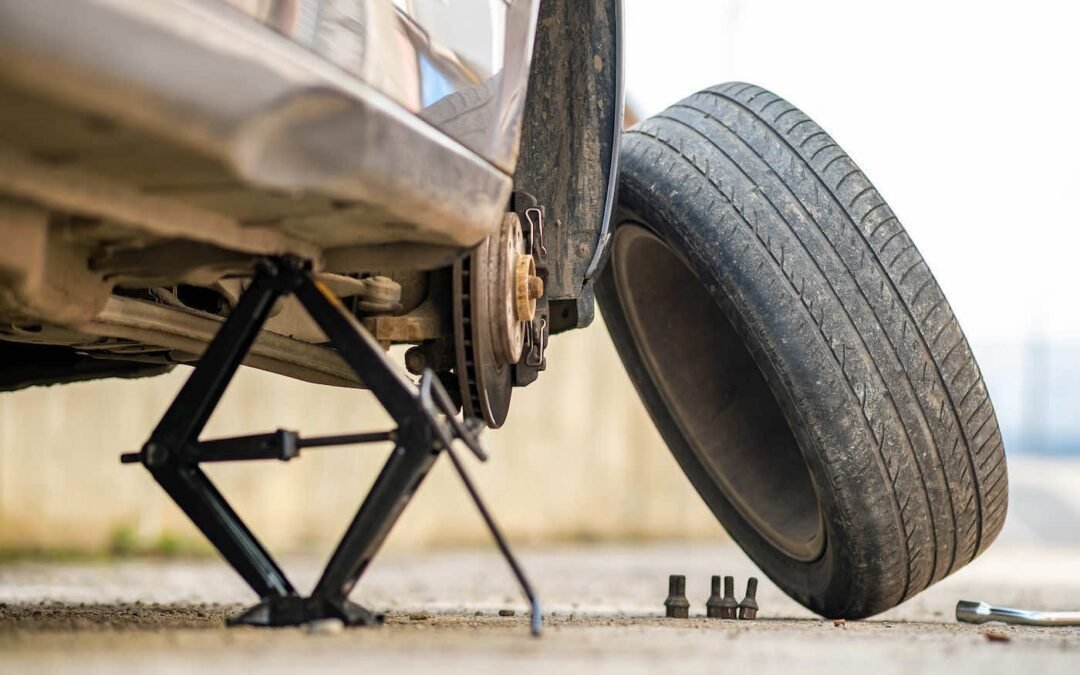
Don’t forget to check your spare tire. Many roadside emergencies are made worse when drivers discover their spare is also underinflated .
Consider Slightly Higher Pressure in Extreme Cold
Some experts recommend inflating tires 2-3 PSI above the recommended pressure during extreme cold snaps . As temperatures rise, the pressure will naturally increase to optimal levels. However, never exceed the maximum pressure listed on the tire sidewall.
Common Winter Tire Pressure Mistakes
Avoid these common errors that can damage your tires or compromise your safety .
Ignoring the TPMS Light
That orange light is there for a reason. Driving for weeks on underinflated tires accelerates wear, reduces safety, and can lead to tire failure .
Only Checking Pressure Once Per Season
In winter, temperature fluctuations are constant. Check your tire pressure at least once a month—or whenever temperatures change significantly .
Overinflating in Cold Weather
While it’s tempting to overinflate tires to compensate for cold-weather drops, overinflated tires reduce your contact patch with the road, leading to poor traction on ice and snow .
Using Gas Station Air Gauges Without Verification
Many gas station air compressors have inaccurate gauges. Always verify with your own gauge before and after adding air.
Forgetting About Spare Tires
Your spare tire loses pressure just like your regular tires. Check it seasonally to ensure it’s ready when you need it .
Why Nitrogen-Filled Tires Still Lose Pressure
Some drivers believe nitrogen-filled tires don’t lose pressure in cold weather. This is a myth .
While nitrogen molecules are slightly larger than oxygen molecules and may seep through rubber more slowly, nitrogen still obeys the laws of physics . Nitrogen-filled tires will lose pressure in cold weather just like air-filled tires—though perhaps at a marginally slower rate.
The real benefit of nitrogen is that it contains no moisture, which can reduce internal corrosion on aluminum wheels over many years . For most drivers, regular air works perfectly fine.
When Low Pressure Means You Have a Real Problem
Sometimes low tire pressure isn’t just caused by cold weather. Watch for these warning signs :
One Tire Loses Pressure Faster Than Others
If one tire consistently shows lower pressure than the others, you likely have a slow leak from a puncture, damaged valve stem, or corroded wheel rim .
Visible Damage or Bulges
Any bulge, crack, or visible damage to the tire sidewall is a serious safety hazard . Stop driving immediately and call for professional help.
TPMS Light Stays On After Inflation
If you’ve added air and the warning light won’t turn off, you may have a faulty sensor or a genuine leak .
Repeated Pressure Loss After Filling
If you’re adding air every few days, you have a leak that needs professional repair. Don’t ignore it—tire failure can happen suddenly and without warning.
Mobile Tire Service: When You Can’t Get to a Shop
Winnipeg winters make even simple tasks like checking tire pressure difficult. When you need help, our mobile tire change service comes directly to you.
We provide:
- On-site tire pressure checks and inflation
- Flat tire repairs or replacement with your spare
- Professional assessment of tire damage
- Service at your home, workplace, or roadside location
- Fast response times across all Winnipeg neighborhoods
Whether you’re stuck with a flat in a parking lot or your TPMS light came on during your commute, our team is available 24/7 to help.
Tire Pressure Tips for Winnipeg Winter Driving
Stay safe and protect your tires with these practical winter tips :
- Check pressure weekly during cold snaps: When temperatures fluctuate significantly, check more often
- Keep a portable air compressor in your car: Small 12V compressors plug into your cigarette lighter and can inflate tires anywhere
- Inspect tires visually before driving: Look for obvious damage, objects stuck in the tread, or visibly low tires
- Don’t drive on the TPMS warning light for days: Address low pressure within 24 hours
- Rotate tires seasonally: Ensures even wear and extends tire life
- Consider winter tires if you haven’t already: They perform better in cold temperatures regardless of pressure
- Store your tire gauge inside the house: Extreme cold can affect gauge accuracy
How Temperature Changes Affect Tire Pressure Throughout Winter
Understanding how Winnipeg’s temperature swings impact your tires helps you stay ahead of problems .
Overnight Cold Snaps
When temperatures drop 15-20°C overnight, expect to see your TPMS light the next morning. Check and adjust pressure before driving.
Warming Trends
When a cold snap breaks and temperatures rise, your tire pressure will increase accordingly. Tires inflated during extreme cold may be overinflated when it warms up.
Indoor Parking vs. Outdoor Parking
Cars parked in heated garages maintain more consistent tire pressure than those parked outside. If you park outdoors, expect more frequent pressure adjustments.
Frequently Asked Questions
How often should I check tire pressure in winter?
Check tire pressure at least once per month in winter, and always after significant temperature changes of 10°C or more . If you see your TPMS light, check immediately.
Can I drive on low tire pressure for a short distance?
It’s not recommended. Even short drives on underinflated tires increase the risk of blowouts, reduce handling, and accelerate tire wear . If you must drive, keep speeds low and avoid sudden maneuvers until you can add air.
Why does only one tire lose pressure in cold weather?
If one tire consistently shows lower pressure than the others, you likely have a slow leak from a puncture, faulty valve stem, or corroded wheel . Have it inspected professionally.
Will my TPMS light turn off automatically after I add air?
In most vehicles, yes. The light should turn off within a few minutes of driving once all tires are properly inflated. If it stays on, you may need to reset the system manually or have a sensor issue .
Is 30 PSI too low for winter tires?
It depends on your vehicle’s recommended pressure. Most passenger vehicles recommend 32-36 PSI. Driving on 30 PSI when 35 PSI is recommended can increase tire wear and reduce safety .
Should I add extra air in winter to compensate for cold weather?
Some experts suggest adding 2-3 PSI above the recommended level during extreme cold, knowing it will drop as temperatures fall . Never exceed the maximum pressure printed on the tire sidewall.
Fast Tire Help Across Winnipeg
Don’t let low tire pressure leave you stranded or unsafe this winter. Winnipeg Towing provides fast, professional tire service including pressure checks, flat repairs, and emergency tire changes across all Winnipeg neighborhoods including St. Vital, River Heights, St. Boniface, and Garden City.
Our mobile service comes directly to you—at home, at work, or on the roadside. We arrive equipped with professional tools to safely change tires, check pressure, and get you back on the road quickly.
We also offer complete roadside assistance including battery boosts, lockout service, and emergency towing when you need help most.
Flat tire or TPMS light on? Call us now: (204) 505-4621
Our dispatch team is available 24/7—day or night, weekends or holidays—to help Winnipeg drivers stay safe on winter roads. Don’t ignore that warning light.