Long Distance Towing in Manitoba Winter: What You Need To Know
Your car breaks down on the Trans-Canada Highway between Winnipeg and Brandon. Or maybe you’ve purchased a vehicle in another Manitoba community and need it transported home. Perhaps you’re relocating and need your vehicle moved across the province during the coldest months of the year.
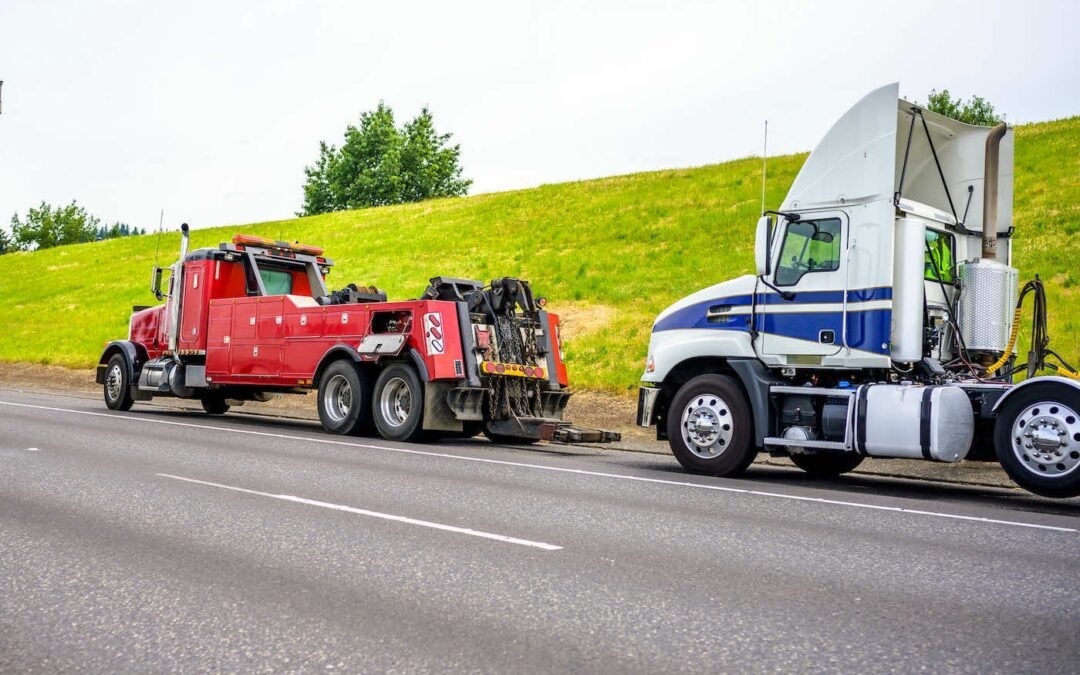
Long distance towing in Manitoba winter isn’t the same as a quick tow across town. Distance, weather conditions, road closures, and specialized equipment all affect the cost, timing, and safety of your tow . Understanding how long distance winter towing works in Manitoba—including typical costs, preparation requirements, and safety considerations—helps you make informed decisions and avoid surprises.
This guide covers everything Winnipeg and Manitoba drivers need to know about long distance vehicle transport during winter months.
What Counts as “Long Distance” Towing?
While definitions vary by company, long distance towing generally refers to any tow beyond city limits or exceeding 20-30 kilometers from the pickup location . In Manitoba, this includes:
- Winnipeg to Brandon (approximately 200 km)
- Winnipeg to Portage la Prairie (approximately 90 km)
- Winnipeg to Steinbach, Selkirk, or other nearby communities
- Inter-city transport anywhere in southern Manitoba
- Highway breakdowns far from urban centers
Some towing companies also offer service to northern Manitoba via winter roads, though this requires specialized equipment and planning .
How Much Does Long Distance Towing Cost in Manitoba?
Long distance towing pricing in Manitoba typically includes a base hookup fee plus per-kilometer charges .
Typical Manitoba Long Distance Towing Rates
Based on current Manitoba market rates :
- Base hookup fee: $80–$150 (covers equipment, dispatch, and first 10 km)
- Per-kilometer rate (within 50 km): $3.50–$5.50 per km
- Per-kilometer rate (50+ km): $2.50–$4.00 per km
- Fuel surcharge: May apply depending on distance and fuel costs
Sample Long Distance Towing Cost Examples
Here are estimated costs for common Manitoba routes (assuming standard passenger vehicle) :
- Winnipeg to Steinbach (60 km): $300–$400
- Winnipeg to Portage la Prairie (90 km): $400–$550
- Winnipeg to Brandon (200 km): $750–$1,000
- Winnipeg to Thompson (northern winter road access): Custom quote required
These are estimates only. Always request an upfront quote that includes all fees before authorizing the tow .
Government-Set Impound Towing Rates
For impounded vehicles, Manitoba Justice sets maximum rates :
- Base fee: $71.33
- Per-loaded-kilometer: $2.66/km for vehicles under 4,540 kg
- Flatbed/dolly surcharge: $30.77 if required
Private long distance towing for non-impound situations may have different pricing structures .
Factors That Affect Long Distance Towing Costs
Several variables influence your final towing bill beyond just distance .
Type of Vehicle
Standard passenger cars cost less to tow than trucks, SUVs, or specialty vehicles. All-wheel drive and four-wheel drive vehicles often require flatbed towing to prevent drivetrain damage, which increases costs .
Time of Service
After-hours towing (nights, weekends, holidays) may include surcharges. Emergency winter breakdowns at 3 AM on New Year’s Day will cost more than a scheduled daytime transport on a Tuesday .
Road and Weather Conditions
Winter storms, icy highways, and poor visibility increase the time and risk involved in long distance towing. Tow operators may charge additional fees for hazardous weather conditions or temporarily decline service until conditions improve .
Special Equipment Requirements
If your vehicle needs a flatbed truck, wheel lift with dollies, or heavy-duty wrecker, expect higher rates than standard wheel-lift towing .
Accessibility of Pickup Location
Vehicles stuck in ditches, off rural roads, or requiring winch-out recovery will incur additional fees beyond standard towing rates .
Why Manitoba Winter Makes Long Distance Towing More Complex
Manitoba’s winter climate creates unique challenges for long distance vehicle transport .
Extreme Cold Affects Everything
At -30°C to -40°C, hydraulic systems slow down, fluids thicken, and equipment becomes less responsive. Tow truck operators must take extra precautions to ensure safe vehicle loading and transport in extreme cold .
Highway Closures and Travel Advisories
Winter storms can close major Manitoba highways without warning. The Trans-Canada Highway, PTH 1, and other major routes may become impassable during blizzards, delaying long distance towing by hours or even days .
Reduced Visibility and Black Ice
Blowing snow, whiteout conditions, and black ice make highway towing dangerous. Professional tow operators prioritize safety over speed, which may extend travel times significantly during storms .
Limited Daylight Hours
Manitoba winters mean darkness falls by 4:30–5:00 PM. Night towing in winter conditions is more challenging and time-consuming than daylight transport .
Winter Road Systems in Northern Manitoba
Northern Manitoba communities rely on seasonal winter roads constructed on frozen lakes, rivers, and muskeg . These routes have unique restrictions:
- No posted speed limits; recommended maximum 15 km/h on ice roads
- No regular inspection or maintenance
- Ice road failures and sudden storms are common
- Wilderness survival training recommended for operators
- Routes only open seasonally (typically January–March)
Long distance towing to remote northern communities requires specialized experience and equipment .
How Long Does Long Distance Towing Take in Winter?
Distance alone doesn’t determine travel time during Manitoba winters .
Standard Travel Time Estimates
In good weather, tow trucks travel approximately:
- Urban/highway routes: 60–80 km/hour
- Rural highways: 70–90 km/hour
- Winter roads (northern Manitoba): 15–30 km/hour
Winter Delays Are Common
Add significant time for :
- Reduced travel speeds in snow, ice, or low visibility
- Highway closures requiring detours
- Multiple service calls delaying dispatch
- Time to safely load vehicle in extreme cold
- Fuel or rest stops on very long routes
A 200 km tow that takes 2.5 hours in summer might take 4–5 hours (or longer) during a winter storm .
Preparing Your Vehicle for Long Distance Winter Towing
Proper preparation protects your vehicle during transport and speeds up the pickup process.
Before the Tow Arrives
- Remove all personal belongings: Valuables, documents, electronics, and loose items
- Document existing damage: Take photos from multiple angles
- Note the fuel level: Keep at least 1/4 tank for weight balance
- Disable aftermarket alarms: To prevent them triggering during transport
- Provide keys and access information: Including any steering lock release codes
- Inform the operator of vehicle issues: Broken axles, seized wheels, missing parts
Special Considerations for AWD/4WD Vehicles
All-wheel drive and four-wheel drive vehicles should be towed on flatbeds to prevent transmission and drivetrain damage. Make sure your towing company knows your vehicle’s drivetrain configuration when requesting service .
When to Choose Long Distance Towing vs. Driving
Sometimes towing is safer and smarter than attempting to drive a compromised vehicle long distances in winter.
Tow Instead of Drive If:
- Your vehicle has mechanical issues (overheating, transmission problems, warning lights)
- You’ve been in an accident with visible damage or deployed airbags
- Your vehicle is making strange noises or handling poorly
- Weather conditions make driving dangerous
- You’re not confident in your winter driving abilities
- The vehicle isn’t properly equipped for winter (summer tires, low fluids)
Driving a damaged or unreliable vehicle long distances in Manitoba winter can turn a manageable problem into a dangerous emergency .
Questions to Ask Before Booking Long Distance Towing
Get clarity upfront to avoid surprises and ensure you’re working with a reputable provider .
Key Questions:
- What is the total estimated cost, including all fees? (Base rate, per-km charges, fuel surcharges, taxes)
- What type of tow truck will be used? (Flatbed, wheel-lift, heavy-duty)
- How long will pickup and transport take? (Get realistic winter weather estimates)
- Are you licensed and insured? (Verify for your protection)
- What happens if weather delays the tow? (Will they wait, reschedule, or charge extra?)
- Can you provide a written quote or receipt? (Essential for insurance claims)
- Where will my vehicle be delivered? (Home, repair shop, storage facility)
- Do you provide insurance-approved documentation? (If filing a claim)
Insurance Coverage for Long Distance Towing
Whether your insurance covers long distance towing depends on your specific policy and the reason for the tow.
Typically Covered:
- Accident-related towing (collision coverage)
- Mechanical breakdown (if you have roadside assistance coverage)
- Vehicle theft recovery
Often NOT Covered:
- Relocation or moving tows
- Purchased vehicle transport
- Convenience towing (vehicle is driveable but you prefer not to drive)
Check with your Manitoba Public Insurance (MPI) broker or private insurer before arranging long distance towing to understand your coverage and any out-of-pocket costs.
Long Distance Towing Safety in Manitoba Winter
Professional tow operators follow strict safety protocols during winter long distance transport .
Operator Safety Practices:
- Monitoring weather and road conditions continuously
- Using winter tires and chains when necessary
- Carrying emergency equipment (blankets, food, water, flares)
- Communicating with dispatch and clients about delays
- Postponing or rerouting when conditions become too dangerous
Your Safety During the Tow:
If you’re traveling with the tow truck:
- Dress warmly in layers
- Bring extra food, water, and medications
- Keep your phone fully charged
- Stay patient—winter delays are normal and expected
Most long distance towing services don’t transport passengers in the tow truck itself. You’ll need to arrange separate transportation .
Alternatives to Long Distance Towing
Depending on your situation, other options may be more practical or cost-effective.
Drive-Away Services
Professional drivers can drive your vehicle to its destination (if it’s driveable). This may cost less than towing for very long distances but requires your vehicle to be roadworthy.
Auto Transport Services
Multi-car haulers can transport your vehicle alongside others, reducing per-vehicle costs. These services are ideal for relocations or purchased vehicles, though winter scheduling may be limited.
Temporary Repairs
If your breakdown is due to a minor issue (flat tire, dead battery, empty fuel tank), on-site roadside assistance may get you moving again without needing a long distance tow.
How Winnipeg Towing Handles Long Distance Winter Transport
When you need professional long distance towing from Winnipeg to anywhere in Manitoba, Winnipeg Towing provides reliable service regardless of weather conditions.
Our long distance towing service includes:
- Upfront, transparent pricing with no hidden fees
- Modern flatbed and wheel-lift equipment
- Experienced operators trained in winter driving
- 24/7 availability including nights, weekends, and holidays
- Insurance-approved documentation and receipts
- Real-time communication about arrival and delivery times
- Safe transport to repair facilities, dealerships, or your home
We serve routes throughout southern Manitoba, including Winnipeg to Brandon, Portage la Prairie, Steinbach, Selkirk, and surrounding communities. If your vehicle is stranded on the highway or needs transport across the province, we have the equipment and expertise to get it there safely.
We also provide complete roadside assistance, breakdown towing, and 24-hour emergency towing for all winter driving situations.
Frequently Asked Questions
How much does it cost to tow a car from Winnipeg to Brandon?
Long distance towing from Winnipeg to Brandon (approximately 200 km) typically costs $750–$1,000 depending on vehicle type, time of service, and weather conditions . Always request an upfront quote before authorizing the tow.
Can I ride in the tow truck during long distance transport?
Most towing companies do not allow passengers in the tow truck for safety and insurance reasons . You’ll need to arrange your own transportation separately.
What happens if the weather gets too bad during my long distance tow?
Professional tow operators prioritize safety and may need to stop, delay, or reroute if conditions become dangerous . Your towing company should communicate any delays and work with you to safely complete the transport when conditions improve.
Does Manitoba Public Insurance (MPI) cover long distance towing?
MPI covers reasonable towing costs if your vehicle is involved in an accident and you have collision coverage. For mechanical breakdowns, coverage depends on whether you have optional roadside assistance or Extension coverage. Check your specific policy for details.
Is long distance towing safe for my AWD vehicle?
Yes, but AWD vehicles must be towed on flatbeds to prevent transmission and drivetrain damage . Make sure your towing provider knows your vehicle has all-wheel drive so they bring the appropriate equipment.
Can I get my vehicle towed to a specific repair shop outside Winnipeg?
Yes. You have the right to choose where your vehicle is delivered—whether that’s a specific dealership, body shop, or your home. Discuss the destination address when booking your tow .
Need Long Distance Towing From Winnipeg?
Whether your vehicle broke down on the highway, you need transport across Manitoba, or you’re relocating in winter, Winnipeg Towing provides fast, professional long distance towing you can trust.
We understand Manitoba’s winter roads, we quote fairly, and we deliver safely—even in the toughest conditions. Our team is available 24/7 to assist with emergency breakdowns or scheduled transport.
Need a long distance tow quote? Call us now: (204) 505-4621
From Winnipeg to Brandon, Portage, Steinbach, or anywhere in between—we’re here to help when you need it most.
Note: All prices mentioned in this article are provided for general reference and informational purposes only. These prices are not fixed and may vary depending on facts, market conditions, location, time, availability, or other relevant factors. Actual prices may change without prior notice. Readers are advised to verify details independently before making any decisions.