What To Do After a Winter Accident in Winnipeg: Your Complete Insurance Guide
You’re driving carefully through snowy Winnipeg streets when suddenly—impact. Whether you slid on black ice, were rear-ended at a stoplight, or collided with another vehicle in a whiteout, the moments after a winter accident are stressful and confusing. Your heart is racing. Your car may be damaged. And you’re not sure what to do next.
Winter accidents are alarmingly common in Manitoba. During a recent three-day winter storm period, Manitoba Public Insurance (MPI) received over 733 collision claims—with more than 66% occurring in Winnipeg alone . In the 2024-25 winter season, MPI recorded over 43,000 collision claims, many of which were directly caused by icy roads, reduced visibility, and winter driving conditions .
Knowing exactly what to do after a winter accident—from ensuring safety to filing your MPI claim—can protect your health, your finances, and your legal rights. This comprehensive guide walks you through every step of the process specific to Winnipeg and Manitoba drivers.
Step 1: Ensure Safety First
Your immediate priority after any collision is safety—yours and everyone else’s .
Check for Injuries
Before doing anything else, assess yourself and your passengers for injuries. Even if you feel fine, adrenaline can mask pain and injuries may not be immediately apparent .
Call 911 immediately if:
- Anyone is injured or unconscious
- There’s significant vehicle damage
- The collision involves a pedestrian, cyclist, or motorcyclist
- A driver appears impaired or leaves the scene
- The accident is blocking traffic on a major roadway
MPI advises all Manitoba drivers to call 911 for serious incidents before worrying about anything else .
Move to Safety If Possible
If your vehicle is driveable and the accident is minor, move it to the shoulder or a nearby parking lot to avoid blocking traffic . Turn on your hazard lights immediately to warn approaching drivers—visibility is already compromised in winter conditions.
If your vehicle cannot be moved safely, stay inside with your seatbelt fastened until help arrives. Exiting your vehicle on a busy winter road puts you at serious risk, especially during snowstorms when visibility is poor.
Set Up Warning Devices
If you have reflective triangles, flares, or emergency lights, place them behind your vehicle to alert other drivers . In winter conditions, these visual warnings are critical to preventing secondary collisions.
Step 2: Call Police When Required
In Manitoba, you must call police if :
- Anyone is injured
- Combined property damage exceeds $2,000
- A driver is suspected of impairment
- A driver leaves the scene (hit and run)
- The collision involves a government vehicle
- The collision involves an uninsured vehicle
For non-injury collisions with minor damage, you may not need police attendance—but you still must report the incident to MPI within 24 hours .
Step 3: Exchange Information at the Scene
Even if police are coming, gather essential information from all parties involved .
Driver Information to Collect:
- Full name and contact information
- Driver’s license number
- Vehicle license plate number
- Insurance information (Manitoba driver’s licenses include insurance)
- Vehicle make, model, and color
Accident Details to Document:
- Date, time, and exact location of the collision
- Weather and road conditions (snow, ice, visibility)
- Direction each vehicle was traveling
- Traffic signs or signals present
- Description of what happened from your perspective
Important: Manitoba Public Insurance provides an accident report form that guides you through all the information you’ll need . Keep a printed copy in your glove box, or access it digitally through the MPI app.
What NOT to Say at the Scene
Do not admit fault or apologize, even if you believe you caused the accident . Winter conditions create complex liability situations—what seems like your fault may actually involve factors beyond your control, such as invisible black ice or improperly maintained roads.
Stick to factual information and save your account of events for your official MPI report.
Step 4: Document Everything
Thorough documentation strengthens your insurance claim and protects you legally .
Take Photos and Videos
Use your smartphone to capture:
- All vehicle damage from multiple angles
- The overall accident scene, including road conditions
- Skid marks, debris, or evidence of ice/snow
- Traffic signs, signals, or lane markings
- Weather conditions (falling snow, poor visibility)
- The position of all vehicles involved
- License plates of all vehicles
Winter-specific details like snow accumulation, ice patches, or poor visibility are critical evidence when winter weather contributes to the collision .
Find Witnesses
If anyone witnessed the accident, get their names and contact information. Independent witness statements can be invaluable when determining fault .
Write Down Your Account
While details are fresh, write a detailed description of what happened. Include your speed, what you saw, when you braked, and any contributing factors like icy patches or blowing snow.
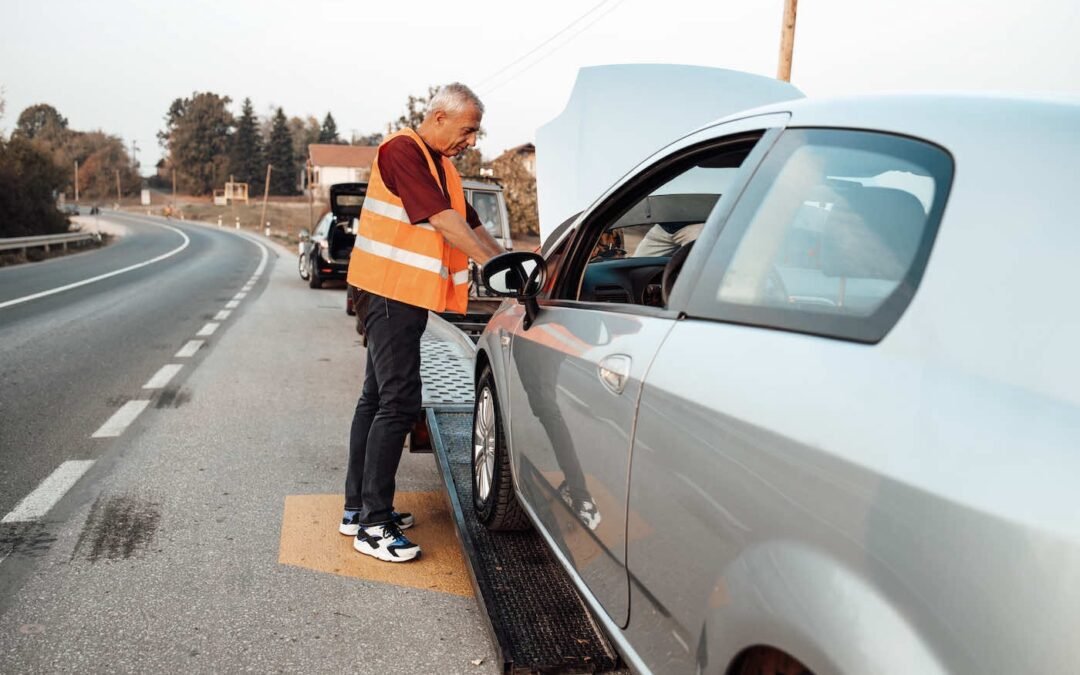
Step 5: Arrange for Vehicle Towing (If Needed)
If your vehicle cannot be driven safely from the accident scene, you’ll need professional towing .
Insurance-Approved Accident Towing
MPI covers reasonable towing costs when your vehicle is damaged in a collision . You have the right to choose your towing provider and repair facility—you are not required to use a specific company unless you prefer the convenience.
When calling for accident towing in Winnipeg, make sure to:
- Request documentation for your insurance claim
- Specify where you want your vehicle towed (repair shop, storage facility, or home)
- Ask for an itemized receipt that includes date, time, and services provided
- Confirm the towing company is licensed and insured
Professional insurance-approved towing service handles accident scene cleanup, safe vehicle recovery, and can coordinate directly with your MPI adjuster to streamline the claims process .
Storage Considerations
If you need to temporarily store your damaged vehicle while waiting for MPI assessment or repair, choose a secure storage facility. MPI reimburses reasonable storage costs as part of your collision claim .
Step 6: Report the Collision to Manitoba Public Insurance
All Manitoba drivers must report collisions to MPI as soon as possible—ideally within 24 hours .
How to Report Your Claim
You can report your collision to MPI through :
- Online: Through the MPI website or mobile app (fastest option)
- Phone: Call MPI’s Claims Contact Centre
- In person: Visit any MPI service centre
Use the MPI accident report form as your guide—it ensures you provide all required information .
Information MPI Will Need
Be prepared to provide :
- Your driver’s license and vehicle registration
- Date, time, and location of the collision
- Description of how the accident happened
- Information about other drivers and vehicles involved
- Witness names and contact information (if any)
- Police report number (if applicable)
- Photos and documentation you collected
Reporting Deadlines
While MPI asks you to report “as promptly as possible,” there are no strict deadlines that void your coverage . However, delayed reporting can complicate your claim and make it harder to gather evidence, so report within 24-48 hours whenever possible.
Understanding Manitoba’s No-Fault Insurance System
Manitoba operates under a unique no-fault insurance system through Manitoba Public Insurance .
What “No-Fault” Means
Under no-fault insurance, your own insurance coverage through MPI handles your claim regardless of who caused the accident. This means you receive benefits for injuries, vehicle damage, and other losses without having to prove fault first .
Personal Injury Protection Plan (PIPP)
All Manitoba residents are automatically covered under PIPP, which provides :
- Income replacement if you can’t work due to injuries
- Medical and rehabilitation expenses
- Permanent impairment benefits if applicable
- Death benefits for surviving family members
PIPP coverage applies regardless of who was at fault for the collision .
Vehicle Damage Coverage
Whether your vehicle damage is covered depends on your specific coverage :
- All Perils coverage: Covers damage to your vehicle regardless of fault
- Collision coverage: Covers damage when you collide with another vehicle or object
- Liability-only: Does not cover damage to your own vehicle if you’re at fault
If another driver is at fault and you only have liability coverage, you can claim against their third-party liability insurance through MPI .
Winter Weather and Fault Determination
Many drivers worry that winter conditions automatically make them at fault. This isn’t always true .
Driving Standards in Winter
Manitoba law requires drivers to adjust their driving to current road conditions . This means slowing down, increasing following distance, and exercising extra caution during winter weather.
If you were driving at a reasonable speed for conditions and exercising due care, winter weather alone doesn’t automatically make you liable .
Common Winter Accident Scenarios
Fault determination in winter accidents considers multiple factors :
- Rear-end collisions: The following driver is usually at fault, even in snow, because they failed to maintain safe distance
- Sliding through intersections: Fault depends on whether the driver was going too fast for conditions
- Loss of control on ice: Generally considered at-fault, as drivers must adjust speed to conditions
- Whiteout conditions: May be considered unavoidable if visibility suddenly dropped to zero
MPI’s adjusters review all evidence—including weather reports, road conditions, and witness statements—before determining fault .
What Happens After You Report Your Claim
Once you’ve reported your collision to MPI, here’s what to expect .
MPI Will Assign an Adjuster
An MPI claims adjuster will contact you to discuss your claim, review documentation, and guide you through the process .
Vehicle Assessment
MPI will arrange to inspect your damaged vehicle to assess repair costs. Depending on damage severity, your vehicle may be:
- Repairable: MPI approves repairs at a licensed facility
- Total loss: MPI determines actual cash value and settles your claim
Choosing a Repair Facility
You have the right to choose where your vehicle is repaired . MPI works with most licensed auto body shops across Winnipeg. If your preferred shop’s estimate is higher than MPI’s assessment, you may need to pay the difference.
Rental Vehicle Coverage
Basic Autopac covers replacement transportation only in specific situations :
- When another Autopac-insured driver was at fault
- When your vehicle was stolen (after 72-hour waiting period)
- If you purchased Extension Loss of Use coverage
If you don’t have Loss of Use coverage and you’re at fault, you’ll need to arrange your own transportation during repairs.
Special Considerations for Winter Accidents
Winter collisions involve unique challenges that affect your claim and recovery .
Document Winter-Specific Conditions
Make sure your photos and written statement clearly describe:
- Road surface conditions (snow-covered, icy, slushy)
- Weather at time of collision (blizzard, freezing rain, blowing snow)
- Visibility issues
- Whether roads had been plowed or treated
These details support your account and help MPI understand the circumstances .
Increased Collision Volume
Winter storms cause dramatic spikes in collision claims. After a major blizzard in January 2025, MPI received over 500 collision claims in a single day . During peak winter periods, expect slightly longer wait times for adjusters and appraisers.
Cold Weather Delays
Winter weather can delay vehicle inspections, parts deliveries, and repair work. Extreme cold makes some repairs impossible until temperatures rise. Be patient and stay in communication with your adjuster and repair facility.
Hit and Run Winter Accidents
Hit and run collisions are unfortunately common during winter when visibility is poor and drivers panic .
What to Do Immediately
- Call police immediately—hit and run is a criminal offense
- Try to note the vehicle’s make, model, color, and license plate
- Look for witnesses who may have seen the vehicle
- Take photos of your damage and the scene
Reporting to MPI
You must report hit and run collisions to both police and MPI . Provide the police report number when filing your MPI claim. If you have collision coverage, MPI will cover your vehicle damage even if the other driver is never found.
Preventing Winter Accidents in Winnipeg
The best accident is the one that never happens. MPI emphasizes these winter driving safety tips :
- Slow down: Speed limits are designed for ideal conditions—reduce speed in winter
- Increase following distance: Leave 8-10 seconds between you and the vehicle ahead
- Install winter tires: They dramatically improve traction on ice and snow
- Clear all snow from your vehicle: Including roof, windows, and lights
- Don’t use cruise control in winter: You need full control at all times
- Avoid sudden movements: Brake, accelerate, and steer gently
- Watch for black ice: Especially on bridges, overpasses, and shaded areas
Over 6,000 winter collisions in Manitoba are caused by careless driving—most of which are completely preventable with proper caution .
Frequently Asked Questions
Do I need to call police for every winter accident in Manitoba?
No. You only need to call police if anyone is injured, property damage exceeds $2,000, a driver is impaired, or it’s a hit and run . For minor fender benders, you can exchange information and report directly to MPI .
Will my insurance rates go up after a winter accident?
Manitoba Public Insurance uses a merit-based system. At-fault claims can affect your driver safety rating, which may impact your premiums. However, not-at-fault claims typically don’t affect your rates.
Can I choose my own towing company after an accident?
Yes. You have the right to choose your towing provider . MPI will reimburse reasonable towing costs regardless of which company you use. Choose a licensed, insured provider for best results.
What if I’m injured but don’t realize it until days later?
Report any injuries to MPI as soon as they become apparent. Many injuries, especially soft tissue damage, don’t show symptoms immediately. Seek medical attention and document everything .
Does MPI cover accidents caused by black ice?
Yes, if you have appropriate coverage (All Perils or Collision). However, fault determination depends on whether you were driving at a safe speed for conditions . Black ice is treacherous, but drivers are expected to adjust speed accordingly.
How long does it take MPI to process a winter collision claim?
Simple claims can be processed within days, while complex claims involving injuries or disputes may take weeks or months. Winter storm periods can cause temporary delays due to high claim volumes .
Fast, Insurance-Approved Accident Towing in Winnipeg
After a winter accident, you need professional help you can trust. Winnipeg Towing provides fast, insurance-approved accident towing across all Winnipeg neighborhoods including St. Vital, River Heights, St. Boniface, and surrounding areas.
Our accident recovery services include:
- Safe vehicle recovery from collision scenes
- Accident scene cleanup and debris removal
- Coordination with MPI adjusters
- Detailed documentation for insurance claims
- Secure vehicle storage when needed
- Transport to repair facilities of your choice
We respond 24/7—day or night, weekends or holidays—because winter accidents don’t follow a schedule. Our team is trained to handle winter collision recovery safely and professionally, even in the worst weather conditions.
We also provide complete roadside assistance including battery boosts, tire changes, and emergency towing for all winter driving situations.
Been in a winter accident? Call us now: (204) 505-4621
We’re here to help when you need it most—handling the towing so you can focus on your safety and recovery.
Note: All prices mentioned in this article are provided for general reference and informational purposes only. These prices are not fixed and may vary depending on facts, market conditions, location, time, availability, or other relevant factors. Actual prices may change without prior notice. Readers are advised to verify details independently before making any decisions.