
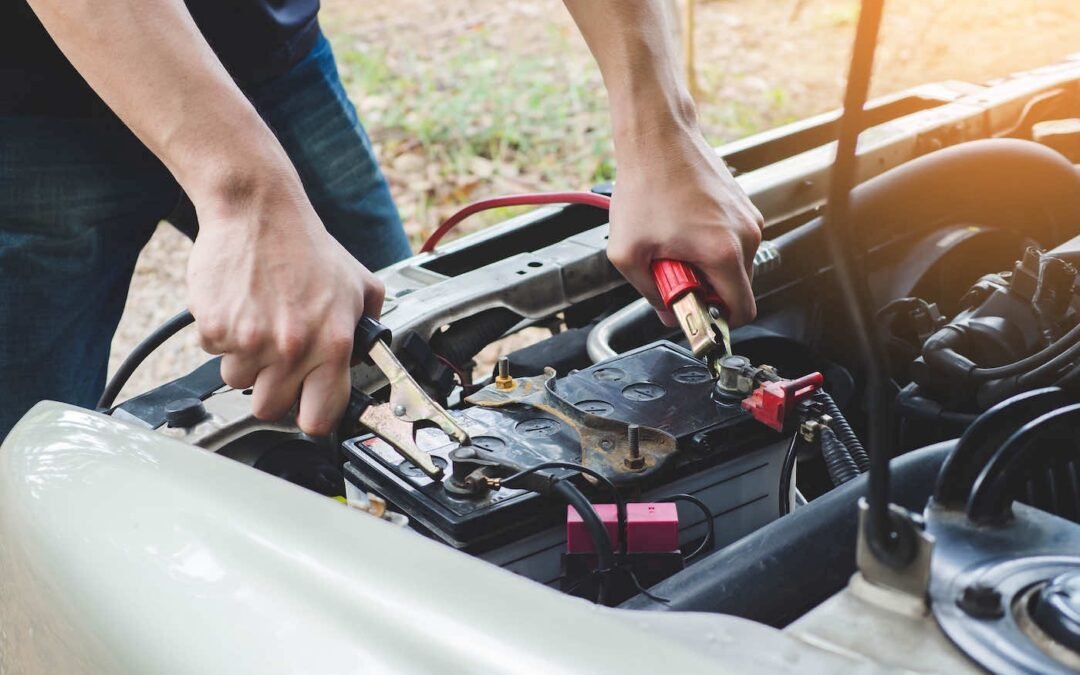
Why Do Car Batteries Die in Winnipeg Winter?
It’s -30°C outside. You turn the key. Nothing happens—just a slow, struggling click. If you’ve ever been stranded with a dead battery on a freezing Winnipeg morning, you’re not alone. Car batteries lose up to 60% of their power in freezing temperatures, making winter the leading cause of roadside breakdowns across Manitoba.
Understanding why batteries fail in extreme cold—and knowing what to do when it happens—can save you time, stress, and money. Whether you need a battery boost in Winnipeg or want to prevent future problems, this guide covers everything you need to know about winter battery failure.
The Science: Why Cold Weather Kills Car Batteries
Car batteries rely on chemical reactions to generate electricity. Inside every battery, liquid electrolyte solution enables ions to move between positive and negative terminals, creating the electrical current that starts your engine. But when temperatures drop below freezing, this chemical process slows dramatically.
Chemical Reactions Slow Down in Cold
At -18°C (0°F), a fully charged battery loses approximately 35% of its strength. At -30°C, that loss increases to 60% or more. The colder it gets, the slower electrons move through the electrolyte solution, reducing the battery’s ability to deliver power when you need it most.
Your Engine Needs More Power to Start
While your battery is losing power, your engine is demanding more of it. Cold weather thickens motor oil, increasing friction and resistance. This means your starter motor has to work significantly harder to turn the engine over—requiring even more electrical current from an already-weakened battery.
It’s a perfect storm: less power available, more power required. That’s why so many Winnipeg drivers experience roadside emergencies during the coldest months of the year.
Warning Signs Your Battery Might Fail This Winter
Most dead batteries don’t happen without warning. Watch for these common signs that your battery is struggling in the cold:
- Slow engine crank: The engine takes longer than usual to turn over when starting
- Dim headlights or interior lights: Lights appear noticeably dimmer, especially before starting the car
- Clicking sound when turning the key: A rapid clicking noise usually indicates insufficient battery power
- Electrical issues: Dashboard warning lights, flickering displays, or malfunctioning power accessories
- Battery age over 3 years: Older batteries are far more vulnerable to cold-weather failure
- Corrosion on terminals: White or blue-green buildup around battery connections reduces power flow
If you notice any of these symptoms, it’s time to have your battery tested—before you’re left stranded in a snowstorm.
Why Winnipeg Winters Are Especially Hard on Batteries
Winnipeg’s climate creates unique challenges for vehicle batteries. Our winters regularly see temperatures drop to -30°C or colder, often for extended periods. Combined with windchill, short trips, and frequent cold starts, batteries face extreme stress throughout the season.
Short Trips Don’t Recharge Batteries
Many Winnipeg drivers make short trips during winter—quick drives to the store, school drop-offs, or errands around the neighborhood. Unfortunately, these short trips don’t give your alternator enough time to fully recharge the battery after the heavy drain of a cold start. Over time, this leads to chronic undercharging and eventual failure.
Increased Electrical Demand
Winter driving requires more electrical power. Heated seats, defrosters, headlights, and cabin heaters all draw energy from your battery. When combined with reduced battery capacity from cold temperatures, this increased demand accelerates battery drain and shortens its lifespan.
What To Do When Your Battery Dies in Winnipeg
If your car won’t start due to a dead battery, don’t panic. Here’s what you should do:
1. Stay Safe and Warm
If you’re stranded outdoors in extreme cold, your safety comes first. Stay inside your vehicle if possible, turn on your hazard lights, and call for help. Prolonged exposure to -30°C temperatures can be dangerous.
2. Call for Professional Battery Boost Service
While jumper cables can work, professional battery boost service in Winnipeg is faster, safer, and more reliable. Our technicians arrive equipped with commercial-grade jump starters designed for extreme cold, ensuring your vehicle starts safely without risking damage to sensitive electronics.
We provide 24/7 emergency roadside assistance across all Winnipeg neighborhoods, including St. Vital, River Heights, and St. Boniface.
3. Get Your Battery Tested
A successful jump start doesn’t mean your battery is fine. If your battery failed once, it’s likely to fail again—especially in cold weather. Have it tested by a professional to determine whether it needs replacement or if there’s an underlying charging system issue.
4. Drive Long Enough to Recharge
After a boost, drive your vehicle for at least 20-30 minutes at highway speeds to allow the alternator to recharge the battery. Avoid turning off the engine until the battery has had adequate time to recover.
How To Prevent Winter Battery Failure
Prevention is always better than being stranded. Here are proven ways to protect your battery during Winnipeg winters:
- Test your battery before winter arrives: Have it tested in late fall to identify weak batteries before temperatures drop
- Keep your battery terminals clean: Remove corrosion and ensure tight connections for optimal power flow
- Use a battery blanket or warmer: Insulated battery wraps help maintain temperature and improve cold-weather performance
- Plug in your block heater: Reduces strain on the battery by keeping the engine warm and oil fluid
- Limit short trips when possible: Combine errands to give your alternator time to recharge the battery
- Park in a garage if available: Even an unheated garage provides protection from extreme wind and cold
- Replace batteries over 4 years old: Don’t risk winter failure with an aging battery
When To Replace Your Battery Instead of Boosting
Sometimes a boost isn’t enough. You should consider battery replacement if:
- Your battery is more than 4-5 years old
- You’ve needed multiple boosts in a short period
- The battery won’t hold a charge after driving
- You notice swelling, cracks, or leaking on the battery casing
- A professional test shows low voltage or reduced capacity
If you’re experiencing repeated issues, our team can provide breakdown towing service to transport your vehicle safely to a trusted repair shop for battery replacement.
Frequently Asked Questions
Why does my car battery die overnight in winter?
Cold temperatures slow the chemical reactions inside your battery, reducing its ability to hold a charge. If your battery is old or weak, even one night of extreme cold can drain it completely. Parasitic electrical draws (like interior lights or aftermarket electronics) can also deplete a battery overnight.
Can I prevent my battery from dying in -30°C weather?
Yes. Use a battery blanket, plug in your block heater, park in a garage when possible, and ensure your battery is in good condition before winter. Regular testing and maintenance significantly reduce the risk of cold-weather failure.
How long does a battery boost take in Winnipeg?
Professional battery boost service typically takes 10-15 minutes once the technician arrives. However, in extremely cold weather, your battery may need additional time to warm up before starting reliably.
Is it better to boost or replace my battery?
If your battery is less than 3 years old and this is the first failure, a boost may be sufficient. However, if your battery is older or fails repeatedly, replacement is the smarter long-term solution to avoid being stranded again.
Can I drive immediately after a battery boost?
Yes, but avoid turning off your engine for at least 20-30 minutes. Drive at highway speeds if possible to allow your alternator to fully recharge the battery. If you must stop sooner, your battery may not have enough charge to restart.
Do electric vehicles have battery problems in Winnipeg winter?
Yes. Electric vehicle batteries can lose 30-40% of their range in extreme cold. While EV batteries function differently than traditional car batteries, cold temperatures still reduce their efficiency and charging speed.
Fast Battery Boost Service Across Winnipeg
Don’t let a dead battery ruin your day. Winnipeg Towing provides fast, reliable battery boost service 24/7, even in the coldest weather. Our dispatch team responds quickly across all Winnipeg neighborhoods, ensuring you’re never left waiting in the cold.
We also offer complete roadside assistance including tire changes, lockout service, fuel delivery, and emergency towing when you need it most.
Stranded with a dead battery? Call us now: (204) 505-4621
Our team is standing by to help, day or night, weekend or holiday. You’re never alone on Winnipeg roads.